 49AI Digital Coworkers
AI Digital Coworkers in 2027: An Enterprise Guide
Design virtual workforce automation around clear roles, approved tools, human decision rights, and measurable operational outcomes.
English · Read article
FIX INTELLIGENCE / INSIGHTS
Practical perspectives on designing, building, and scaling AI for real business operations.
49AI Digital CoworkersDesign virtual workforce automation around clear roles, approved tools, human decision rights, and measurable operational outcomes.
 50AI Operations
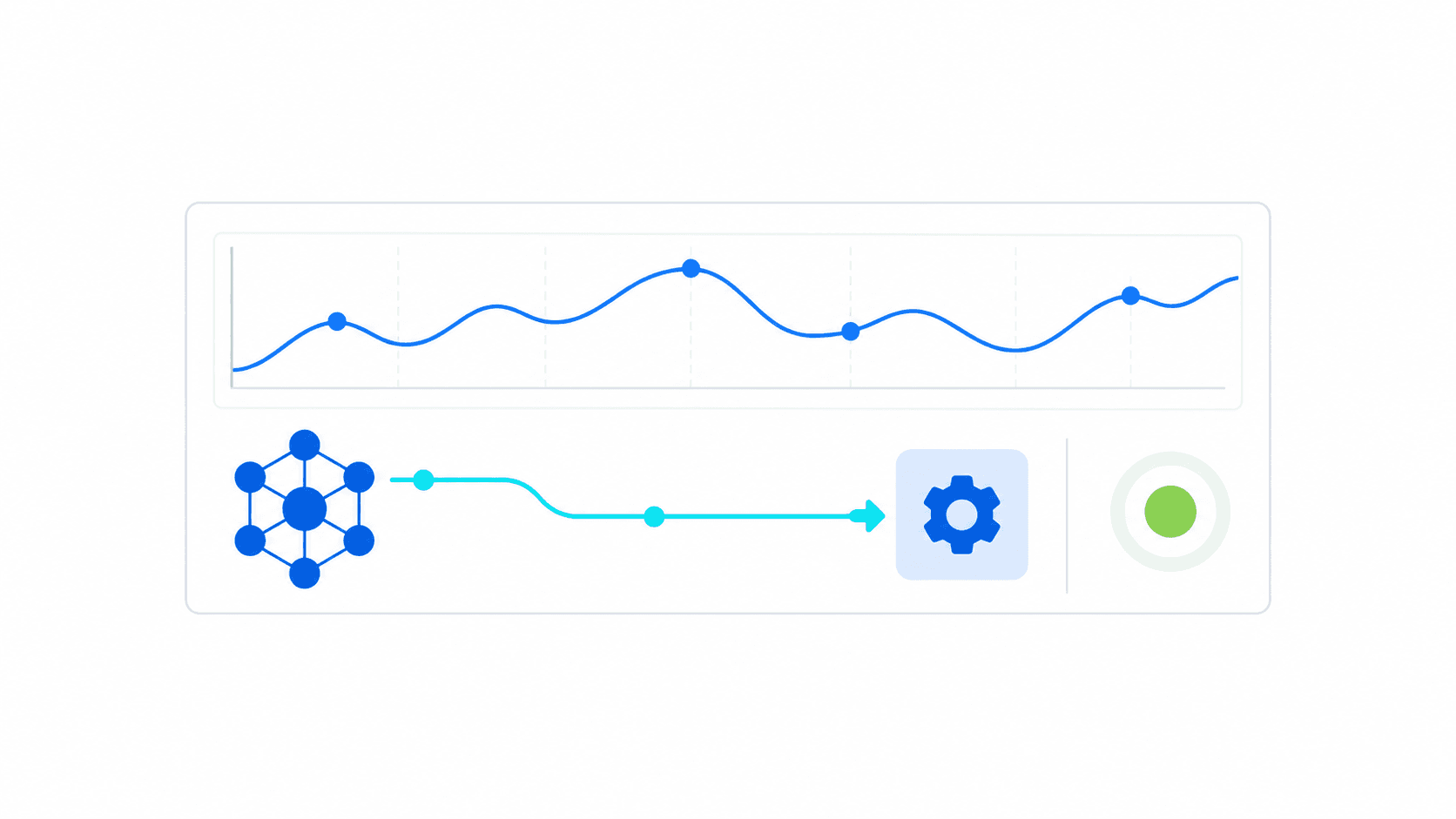
A practical framework for monitoring LLM quality, traces, latency, cost, errors, and drift across production AI applications and agents.
 51AI for Small Business
Compare a low-cost AI subscription with a custom workflow by looking at repeat volume, integration needs, review time, and the full cost of a useful result.
 52AI Marketing
A practical shortlist for turning a product, promotion, or rough script into short vertical videos without a large production budget.
 53AI for Restaurants
A restaurant AI phone agent can answer routine calls after hours and during the rush—if it is connected to accurate menus, booking rules, and a reliable handoff.
 54AI for Small Business
A transparent small-business model for comparing AI costs with hours freed—using explicit assumptions rather than promising universal savings.
55AI Case StudyA practical look at a voice workflow for English and Vietnamese calls that captures orders and routes them into restaurant POS operations.
 56Software Delivery
A hybrid delivery model pairs local client leadership with an offshore engineering team—and succeeds when ownership, communication, and quality are designed deliberately.
 57AI Security
Reduce exposure when using public AI tools by choosing the right data path, minimizing sensitive content, and validating retention and access controls.
 58Responsible AI
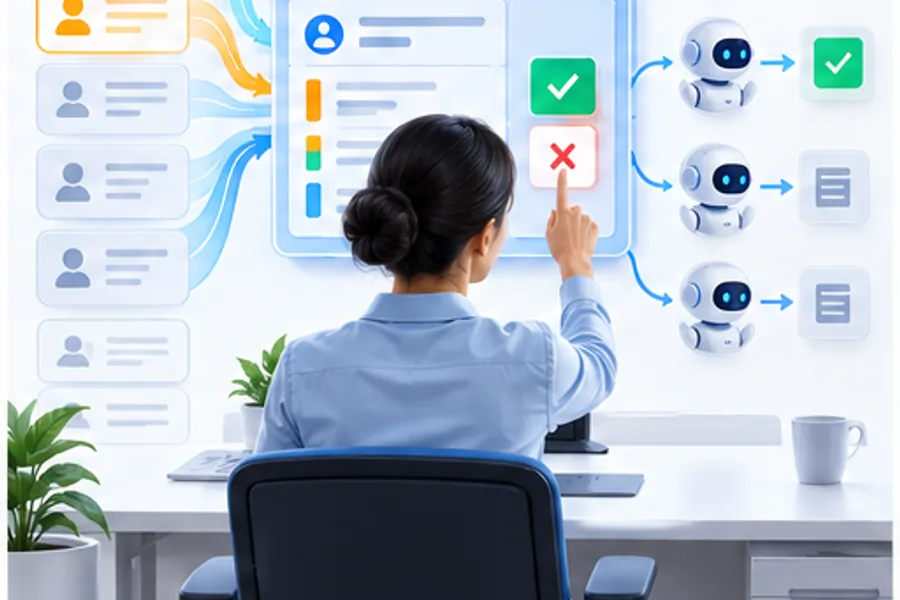
Customer-facing automation needs more than a human handoff button: it needs clear action limits, visible uncertainty, and accountable review.
 59AI Governance & Compliance
A practical procurement and legal checklist for AI inventory, model lineage, personal-data controls, and sovereign deployment boundaries.
 60AI in Financial Services
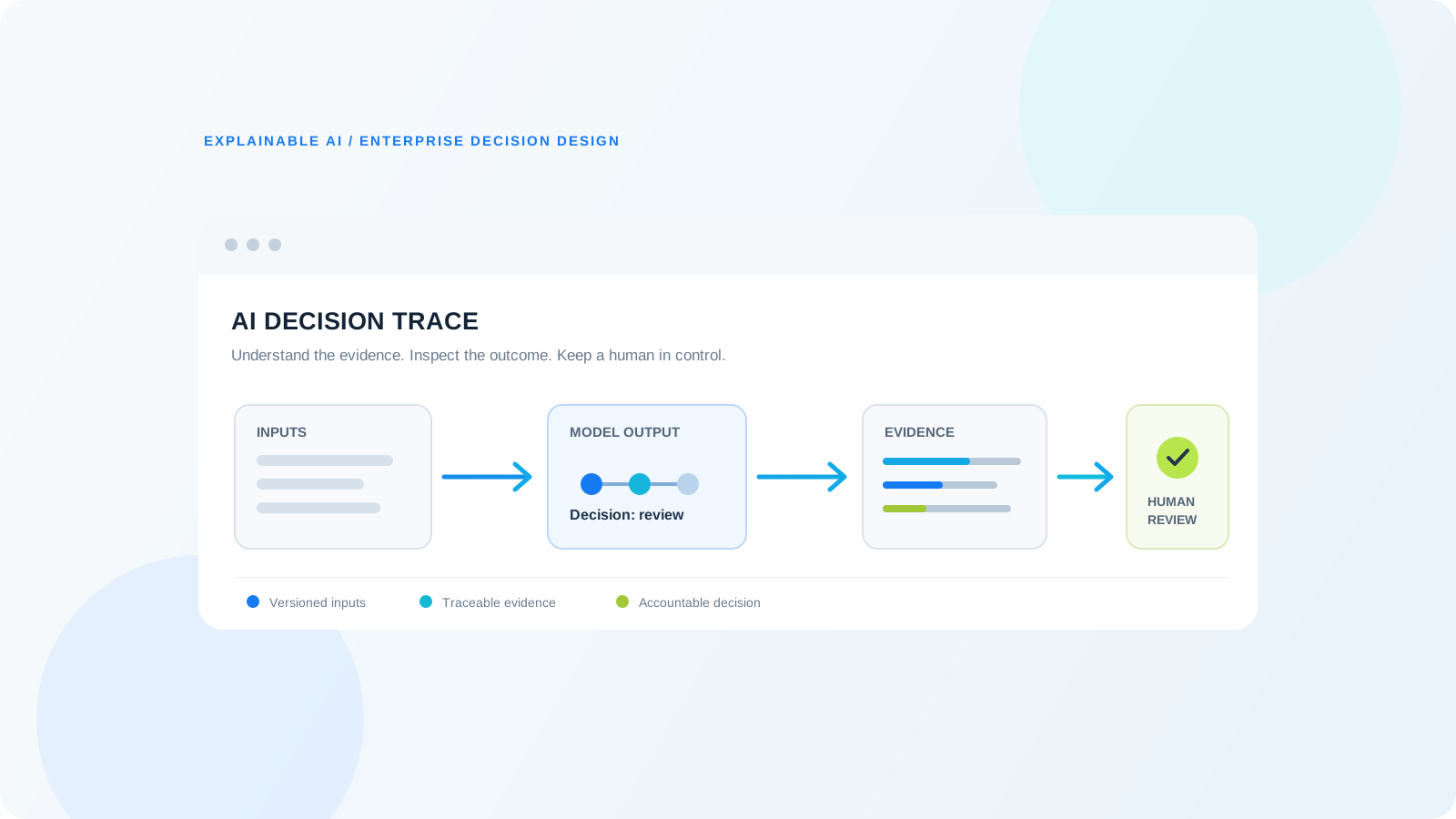
How lenders can use model explanations such as SHAP as one part of a defensible credit decision process—not as a substitute for accurate adverse-action reasons.