Why a high-performing credit model can still fail an audit
Credit models increasingly combine traditional credit attributes with complex feature transformations, ensemble methods, or machine-learning models. A score may rank applications effectively while leaving a loan officer, compliance reviewer, or applicant unable to understand why a particular decision was made. That is the practical black-box problem: a performance metric does not explain an individual outcome or establish that a process is fair.
In the United States, the Equal Credit Opportunity Act and Regulation B impose requirements for adverse-action notices. The CFPB has emphasized that use of complex algorithms does not remove a creditor’s obligation to provide specific, accurate reasons. A lender should work with counsel to identify the applicable rules and notice requirements for each product and jurisdiction. This article is operational guidance, not legal advice.
For EU or other markets, do not assume a U.S. adverse-action framework transfers directly. Determine which consumer-credit, data-protection, anti-discrimination, and AI rules apply to the particular product and decision. An explainability program should make evidence useful to applicants and reviewers while meeting the legal standards that actually govern the lender.
Explore: AI credit scoring fundamentals: data, models, and scorecards
Where SHAP can help—and what it cannot prove
SHAP (SHapley Additive exPlanations) assigns contribution values to input features for a model prediction relative to a chosen background or reference distribution. In a credit workflow, it can help a model-risk team inspect which variables influenced a score for one application, compare behavior across populations, and identify unexpected dependencies. Global summaries can also highlight patterns that merit investigation.
A SHAP value is not a causal explanation, a fairness certificate, or a ready-made denial reason. Results depend on the model, feature definitions, reference population, and assumptions about feature dependence. Correlated inputs can divide or shift attribution; a transformed feature may be unintelligible to a consumer; and a local explanation can miss a policy rule or downstream override that actually determined the final action. Never send raw feature names or contribution rankings directly into a customer letter without validating the mapping.
Build the explanation from the actual decision path
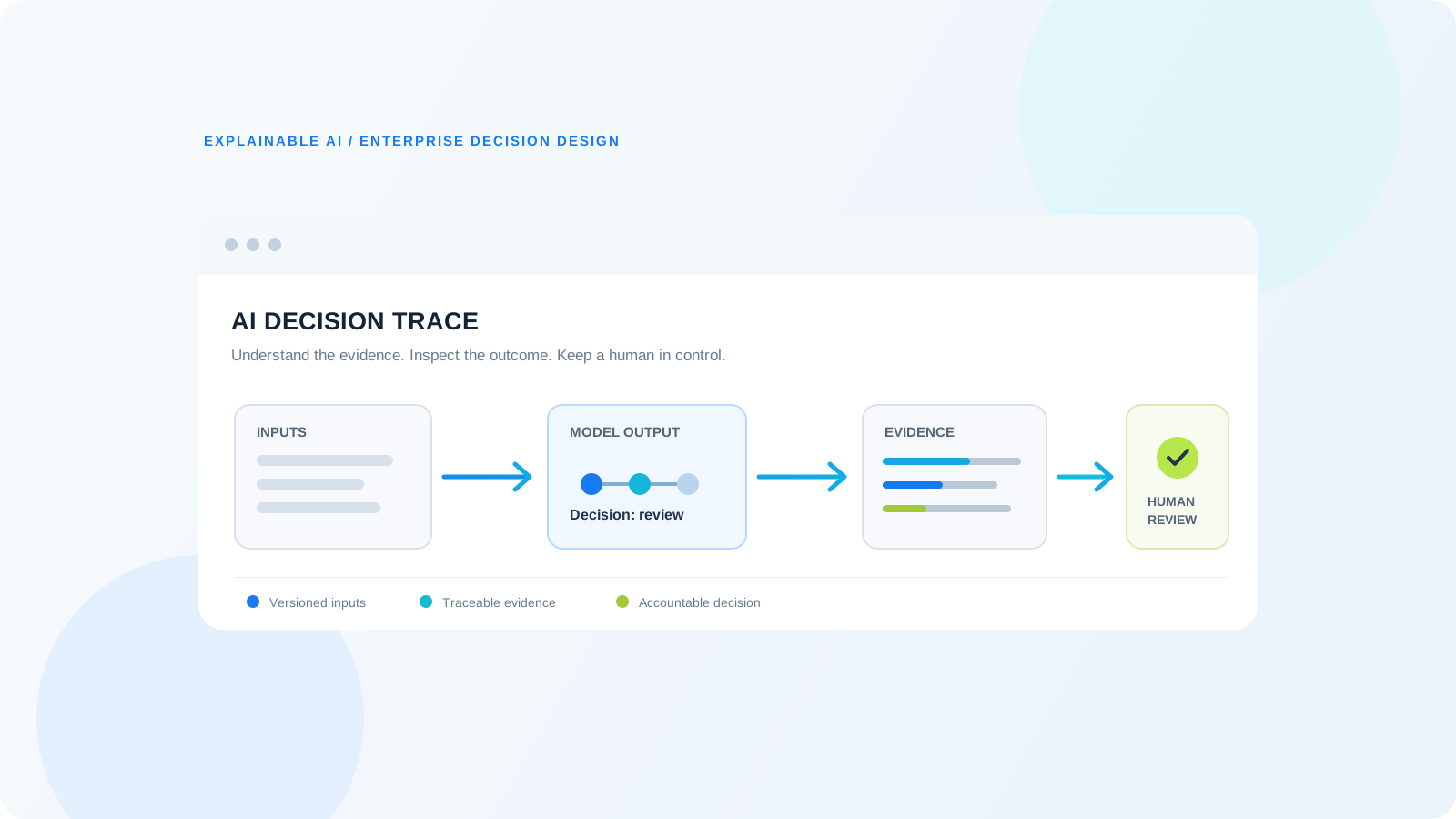
Map the whole decision chain: application data, preprocessing, model score, cutoffs, policy rules, manual review, overrides, and final action. Preserve the versions and intermediate outputs needed to reproduce the result. If a policy rule—not the predictive model—caused the denial or changed the offered terms, the notice workflow must not attribute the outcome to a plausible but non-causal model feature.
Create a governed translation layer from validated decision factors to approved, plain-language reason statements. Test whether the reasons reflect the principal factors actually used, are specific enough for the applicable requirements, and correspond to the production record. Have lending, compliance, legal, model risk, and consumer-experience teams approve the mappings. Keep a trace from each notice to the application, model and policy versions, selected reasons, and delivery record.
Test explanation quality and fair-lending risk
Validate explanation fidelity by checking that the method faithfully represents the deployed model or decision logic for the cases where it is used. Evaluate stability under small, immaterial input changes; reason-code frequency and consistency across channels; and whether a reviewer can reproduce the explanation from retained evidence. Investigate cases where a score explanation conflicts with the final action or with a human underwriter’s rationale.
Fair-lending review should test outcomes and processes using legally appropriate methods and governed data. Examine approval, pricing, override, error, and notice patterns across relevant populations; assess proxy features and data quality; and document limitations where protected-class data is restricted. Feature attribution can prioritize questions, but it does not determine legal disparate impact or establish the absence of discrimination. Route findings to qualified fair-lending counsel and model-risk owners.
Explore: human oversight and approval controls for AI decisions
Operational controls for an audit-ready lending system
Maintain an inventory of models and decision rules, intended use, owners, input provenance, data-quality tests, validation results, limitations, and approval status. Version the training and evaluation datasets, code, feature pipeline, model artifacts, thresholds, explanation method, and reason mapping. Record changes and revalidate when data, policy, product, or model behavior changes materially.
Provide an independent review path for complaints, correction requests, and disputed data. Monitor drift, override rates, reason distributions, subgroup performance, and notice delivery. Restrict access to sensitive explanations and logs, retain only what the policy and applicable law require, and make incident response capable of pausing a model or reverting to a validated process. An explanation is trustworthy only when the institution can show how it was produced and what it means.