Define model integrity in business terms
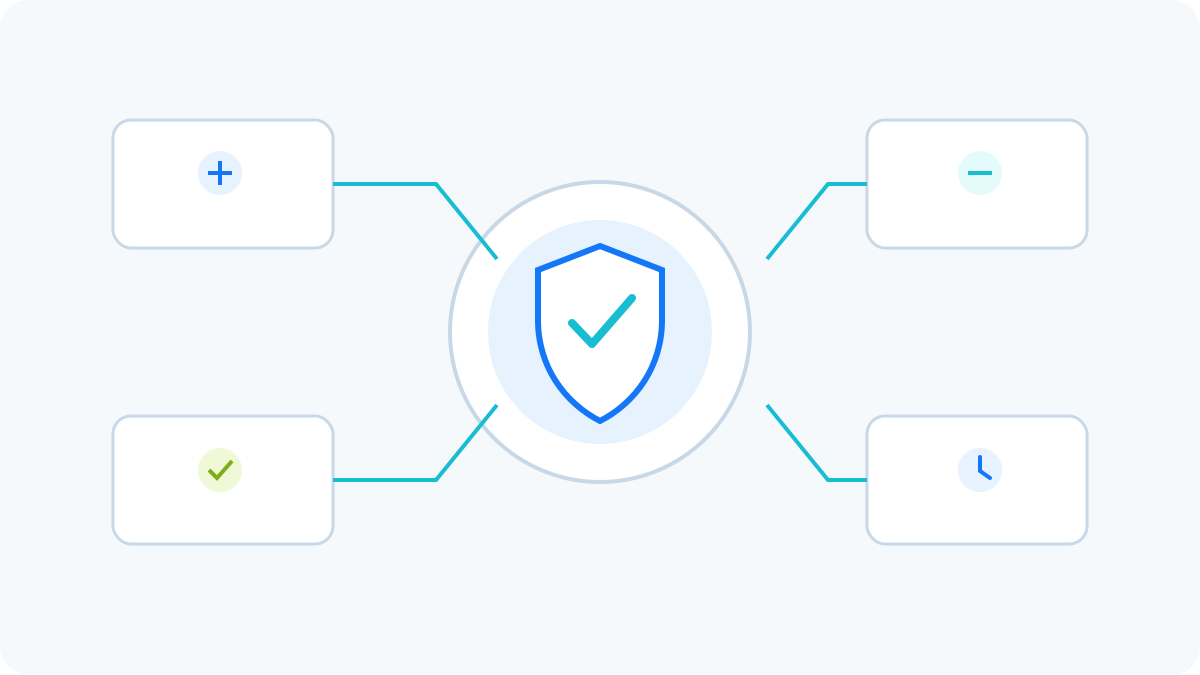
Model integrity is the ability to understand, evaluate, and manage how an AI system behaves across its lifecycle. It includes evidence about data and model versions, performance limits, bias risks, access controls, changes, and incidents. For a CIO, integrity is not simply a score or a vendor claim. It is the ability to answer what the system was intended to do, what it was tested to do, and who is accountable when conditions change.
The scope should match the system. A model used to summarize internal documents has different failure consequences from one that influences hiring, credit, healthcare, or access to essential services. Identify users, affected people, decisions, data types, and the degree of human control. Then decide what evidence is necessary before launch and what signals should be reviewed in production. Legal and regulatory obligations should be assessed with qualified counsel for the specific jurisdiction and use case.
Benchmark hallucinations and unsupported outputs
A hallucination benchmark should test whether outputs are factually supported for the tasks and knowledge sources the system is expected to use. Include answerable questions, missing evidence, conflicting sources, stale information, and out-of-scope requests. Measure correctness, citation quality, appropriate abstention, and the consequences of unsupported claims. A single aggregate hallucination rate can hide failures concentrated in a particular topic, language, or customer segment.
Use domain experts to define ground truth and acceptable uncertainty. For retrieval-augmented systems, test whether cited sources actually support the answer and whether restricted material is excluded. Repeat evaluations when the model, retrieval index, prompt, or source content changes. Keep test examples controlled to avoid leakage into training or prompt tuning. A strong benchmark helps teams find failure patterns; it does not prove that future answers will always be correct.
Test bias and performance differences responsibly
Bias testing starts with identifying which groups or outcomes could be affected and which differences matter for the use case. Select relevant subgroups, languages, formats, and contexts in consultation with domain and risk experts. Review data quality and representation before interpreting model scores. A difference in measured performance may reflect sampling, label quality, workflow design, or historical data as well as the model itself.
Report performance by meaningful segment, sample size, uncertainty, and error severity. Avoid presenting a single fairness metric as a universal answer: metrics can conflict, and fairness requirements depend on context and applicable policy. Establish a remediation process, record decisions and owners, and retest after changes. When the system supports consequential decisions, clarify what remains a human responsibility and provide a route to contest or review outcomes.
Turn audits into reproducible evidence
An AI audit should connect documented intent to technical evidence. Maintain a model inventory, system diagram, data lineage, access configuration, evaluation results, known limitations, change history, and incident records. Capture the model and prompt version, evaluation set, scoring rubric, and deployment configuration needed to reproduce a result. Restrict audit records to authorized users and apply retention and privacy controls to sensitive prompts or logs.
Map applicable laws, standards, contracts, and internal policies with the teams responsible for them. A technical assessment can support that work, but cannot alone determine legal compliance. Identify which controls are mandatory, how exceptions are approved, and what evidence is retained. For third-party models, document provider dependencies, change notifications, data handling, and fallback options. This creates an accountable record without implying that an audit can guarantee compliance or eliminate risk.
Monitor after release and govern changes
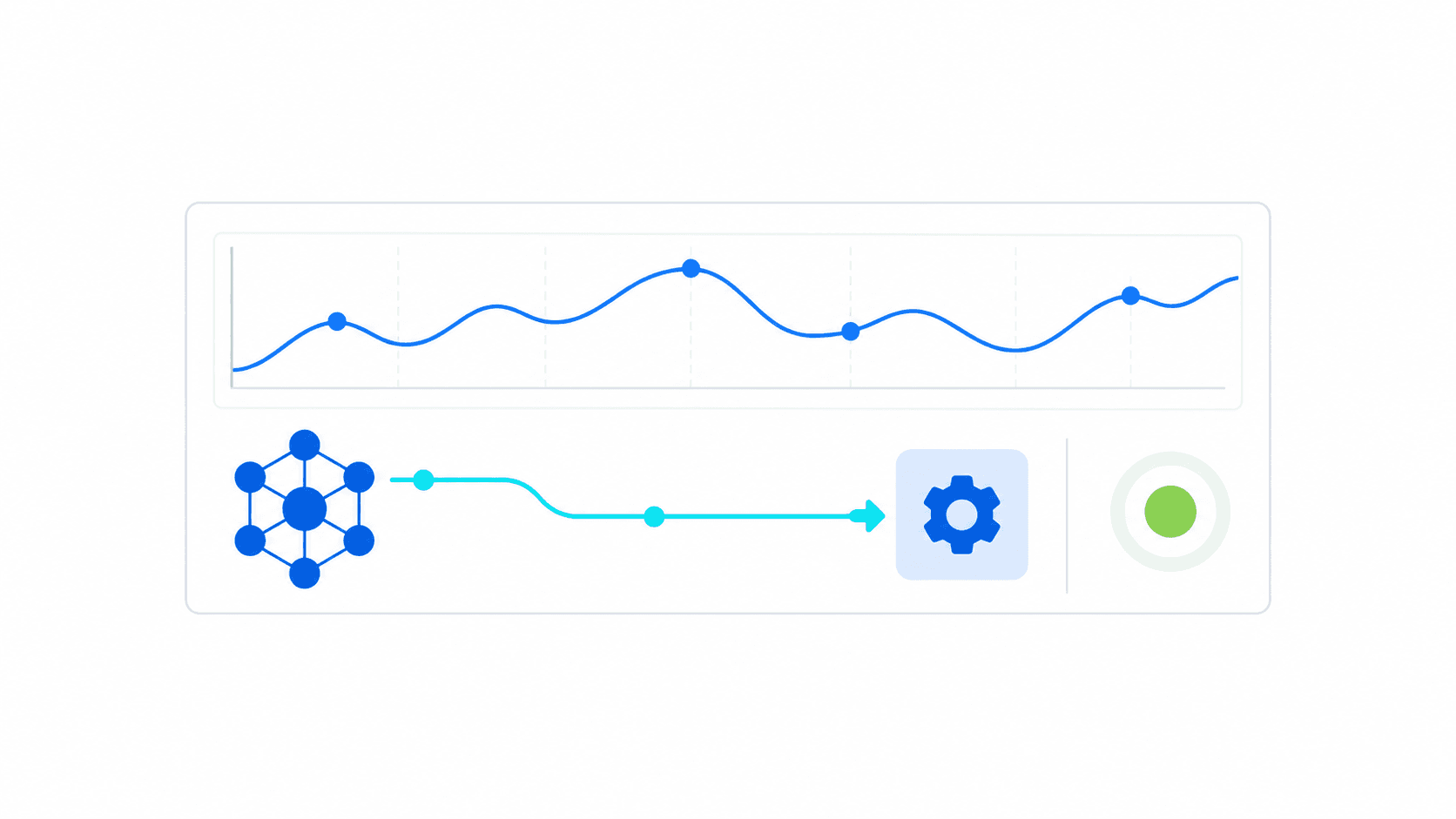
Production monitoring should look for changes in data, user behavior, quality, access, cost, and system reliability. Useful signals include corrections, complaints, abstentions, escalation, drift indicators, latency, retrieval failures, and security events. Assign an owner to each signal and define what triggers investigation, rollback, retraining, or a new review. Collect only the information needed to operate and improve the system, with access and retention governed in advance.
A model or prompt update can alter performance even when the business feature appears unchanged. Route material changes through risk-based evaluation and approval, and preserve the previous configuration for rollback. FIX Intelligence, part of FIX Solutions JSC, helps organizations build evaluation and monitoring into AI engineering and data workflows. Model integrity becomes useful when evidence informs decisions: expand, constrain, remediate, pause, or retire a system.
Set integrity thresholds before the next model release
A risk-based control matrix helps teams decide what level of evidence a change requires. A low-impact wording update may need a focused regression test; a new model, data source, or decision workflow may require broader evaluation and review. Define thresholds for quality degradation, subgroup disparities, unsupported outputs, access incidents, and unresolved failures. Assign owners who can interpret the signal and take action rather than routing every alert to an unstaffed dashboard.
Review exceptions and accepted limitations on a schedule. Confirm that controls still match the use case, data, users, and applicable obligations. If the organization cannot reproduce a benchmark or identify which version produced an outcome, treat that as an integrity gap. FIX Intelligence can help establish inventories, evaluation pipelines, audit evidence, and operational monitoring so assurance becomes repeatable engineering work instead of a once-a-year document exercise.
Make integrity legible to business owners
Technical evaluation is only useful if decision-makers can interpret its implications. Summarize what was tested, the relevant population and conditions, observed failure rates, uncertainty, mitigations, and unresolved risks. Separate measured results from assumptions and provider statements. Explain the consequence of a failure in the business workflow, such as rework, delayed service, or an incorrect recommendation, rather than presenting model scores without context.
Create a concise model record with a named owner, approved purpose, limitations, monitoring signals, review date, and escalation route. Keep detailed evidence available for auditors and engineering teams, but make the summary usable by operations and executives. This shared view supports better decisions about whether to approve, restrict, or retire a capability and ensures that integrity remains connected to real accountability.